
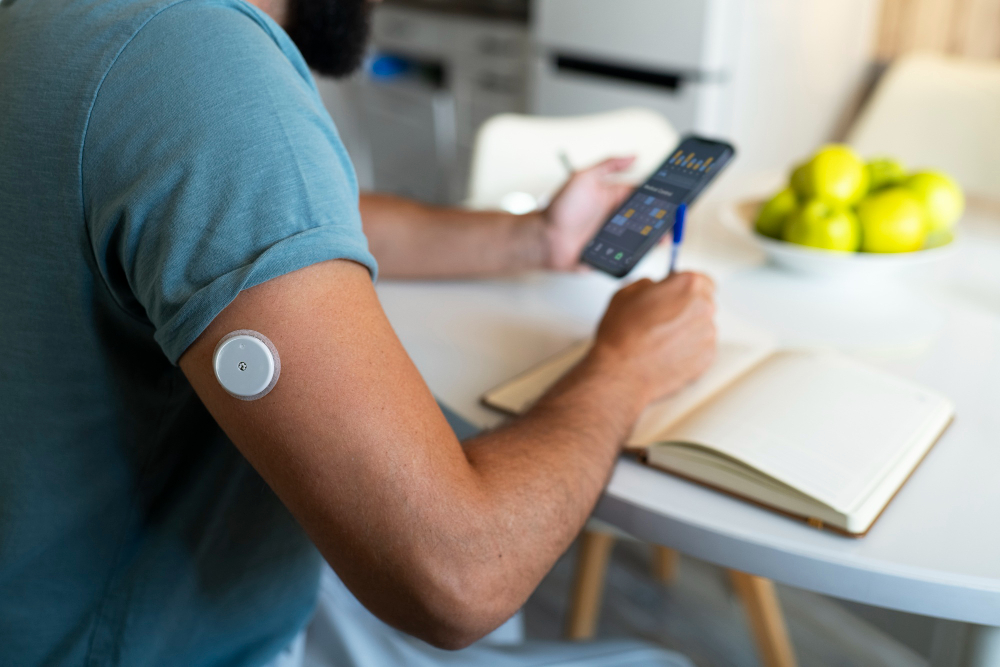
What is Continuous Glucose Monitoring (CGM)?
Continuous Glucose Monitoring (CGM) is a modern tool for tracking blood sugar levels. Unlike fingerstick tests, CGM checks your glucose all day and night. As a result, you get a clear picture of your blood sugar trends. Many people use CGM to help manage diabetes. In fact, CGM is now a key part of diabetes technology in the United States and around the world.
How Does CGM Work?
CGM uses a small sensor placed under your skin. This sensor measures glucose in the fluid between your cells. Then, it sends the data to a device or smartphone. Because of this, you can see your blood sugar levels in real time. Some CGM systems also alert you if your glucose is too high or too low. Therefore, you can act quickly to stay safe.
Who Should Consider CGM?
Not everyone needs CGM, but many groups can benefit. For example, people with type 1 diabetes often use CGM for daily management. In addition, those with type 2 diabetes who use insulin may find CGM helpful. Children with diabetes also benefit, as do pregnant women with diabetes. Furthermore, people who have frequent low blood sugar episodes (hypoglycemia) may need CGM for safety. Even those who want tighter blood sugar control can consider this technology.
Benefits of CGM for Different Groups
CGM offers many benefits for people managing diabetes. For instance, it provides real-time glucose tracking, which helps you spot trends. Because of this, you can make better choices about food, exercise, and medicine. Also, CGM can help prevent dangerous highs and lows. Children and parents feel safer with alerts. Pregnant women can keep tighter control, which is important for their health and the baby’s health. According to the CDC, CGM can lower the risk of diabetes complications over time.
How to Get Started with CGM
First, talk to your doctor about CGM. They can help decide if it is right for you. Next, your doctor will choose a CGM system that fits your needs. After that, you will learn how to use the device and read the data. Most insurance plans in the United States cover CGM for people with diabetes. However, coverage may vary, so check with your provider. Finally, regular follow-up with your healthcare team will help you get the most from your CGM.
Potential Limitations and Considerations
While CGM is helpful, it may not be perfect for everyone. For example, some people may find the sensor uncomfortable. Others may worry about cost or insurance coverage. Also, CGM readings can sometimes be less accurate than blood tests, especially during quick changes in glucose. Even so, most people find the benefits outweigh the drawbacks. Always discuss any concerns with your healthcare provider before starting CGM.
Frequently Asked Questions (FAQ)
Is CGM only for people with type 1 diabetes?
No, people with type 2 diabetes on insulin, children, pregnant women, and others can also benefit.
Does CGM replace fingerstick tests?
In many cases, yes. However, some systems still need fingerstick checks for calibration or confirmation.
Is CGM covered by insurance?
Many insurance plans in the United States cover CGM for people with diabetes, but coverage varies.
Can CGM help prevent low blood sugar?
Yes, CGM alerts can warn you before your glucose drops too low, helping you stay safe.
Conclusion
Continuous Glucose Monitoring (CGM) is a powerful tool for many people with diabetes. Because it tracks blood sugar in real time, it helps you make better choices and avoid problems. If you think CGM might help you, consult your doctor at DR NITHYAS CLINIC for personalized advice and support.