What is Anemia?
Anemia is a common health problem. It happens when your blood does not have enough healthy red blood cells. These cells carry oxygen to your body. Without enough oxygen, you may feel tired or weak. According to the World Health Organization (WHO), anemia affects millions of people worldwide. In many cases, it can be mild. However, sometimes it can be serious and needs medical care.
Common Causes of Anemia
There are several reasons why someone may develop anemia. Often, the cause is a lack of important nutrients. But sometimes, it can be due to other health problems. Here are some common causes:
Sometimes, more than one cause can be present. Therefore, it is important to find out the exact reason.
Recognizing Symptoms of Anemia
Many people with anemia do not notice symptoms at first. However, as anemia gets worse, symptoms may appear. Here are some signs to watch for:
Sometimes, symptoms can be mild. But if you notice these signs, you should talk to your doctor. Early treatment can help prevent problems.
How Anemia is Diagnosed
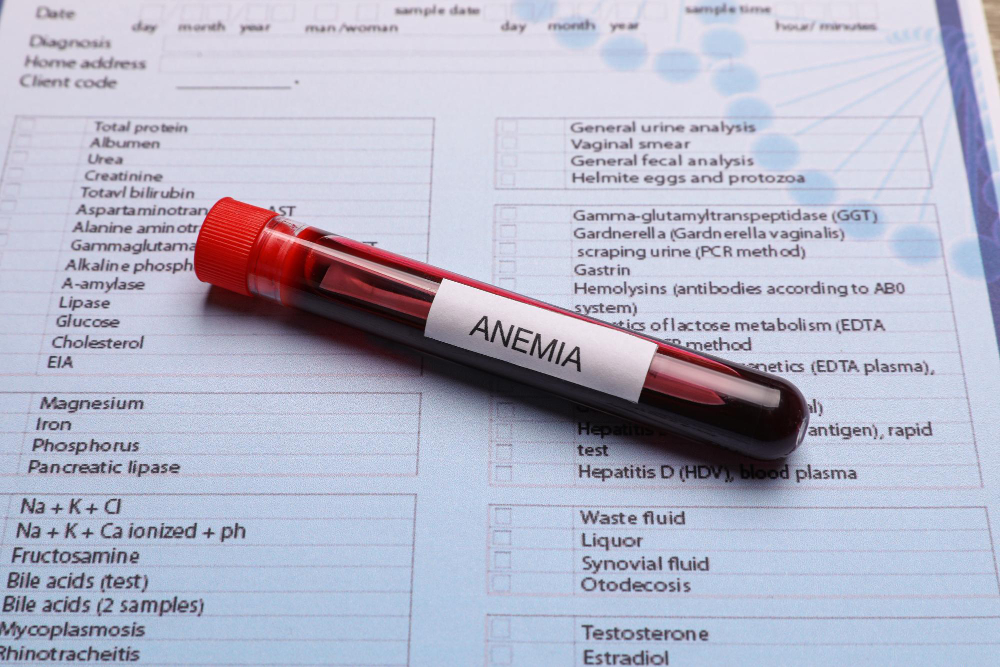
Doctors use several tests to find out if you have anemia. First, they will ask about your symptoms and health history. Next, they may do a physical exam. After that, they will order blood tests. The most common test is a complete blood count (CBC). This test checks the number and size of your red blood cells. Sometimes, doctors may order more tests to find the cause. For example, they may check your iron, vitamin B12, or folate levels. In some cases, other tests may be needed to look for bleeding or inherited conditions.
Treatment Options for Anemia
Treatment for anemia depends on the cause. Once your doctor knows the reason, they will suggest the best plan. Here are some common anemia treatment options:
Because each person is different, your doctor will choose the right treatment for you.
Lifestyle Tips and Prevention
There are steps you can take to lower your risk of anemia. Even if you already have anemia, these tips can help you feel better. For example, you can:
In addition, avoid drinking too much tea or coffee with meals, as they can lower iron absorption. Staying healthy and informed can help you prevent anemia or manage it well.
Summary
Anemia is a common condition, but it can be managed with the right care. Knowing the causes, symptoms, and treatment options is important. If you think you may have anemia, consult a healthcare professional at Dr NITHYAS CLINIC for personalized advice on anemia.